Heaps in the Hałda On The Air Diploma Event
H-01 Hałda Kostuchna (339 m ASL)
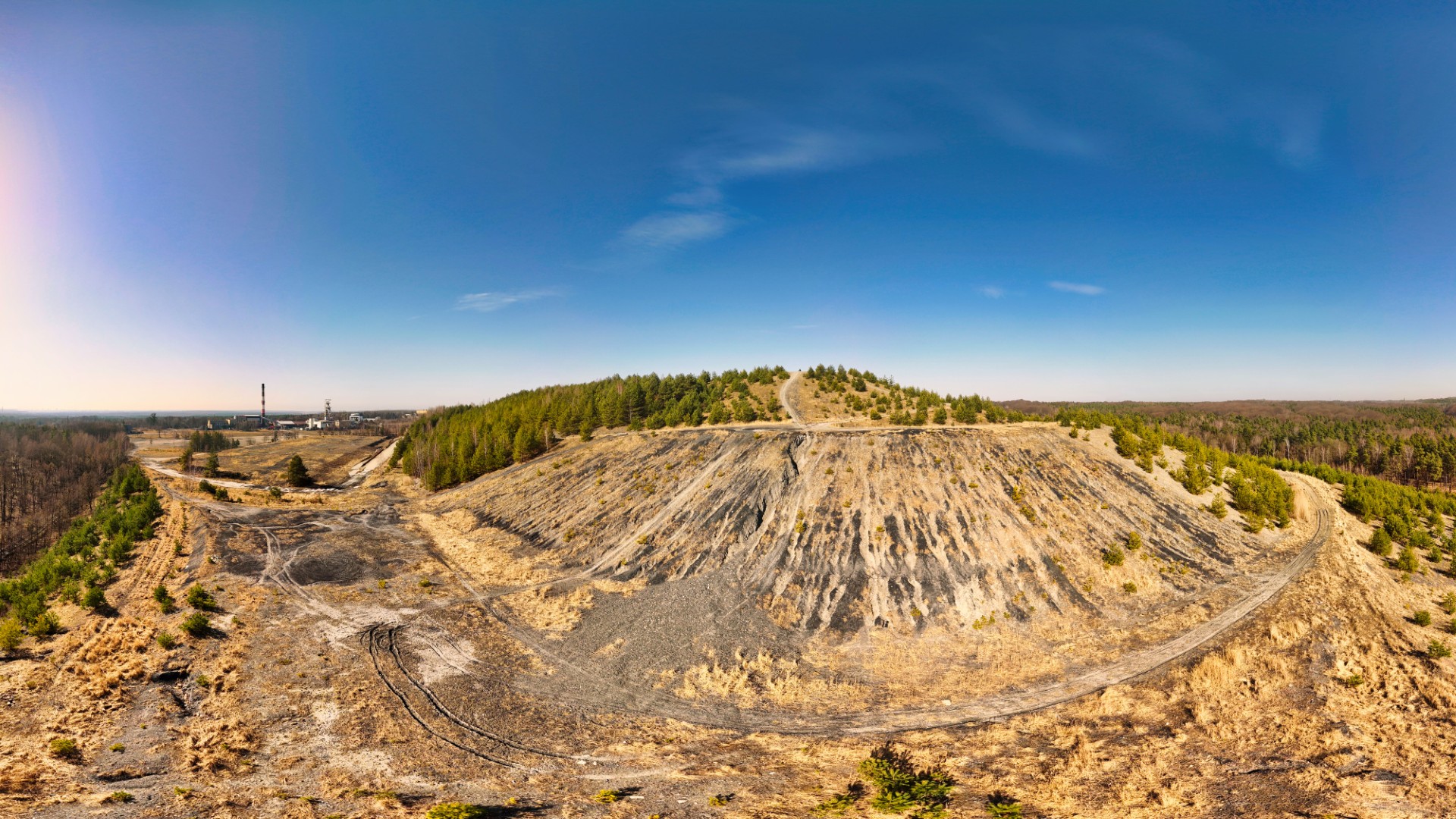
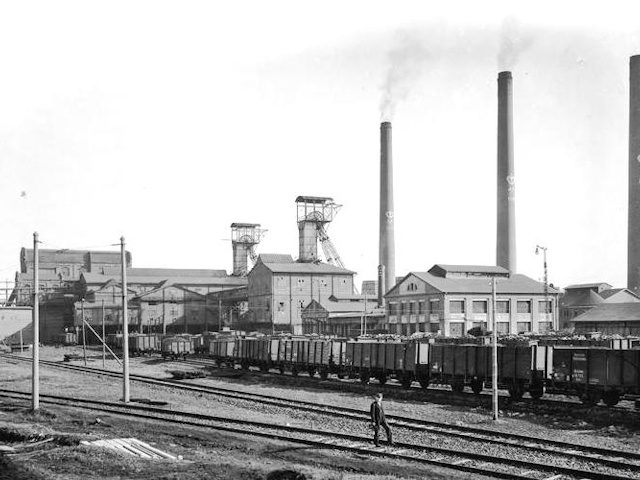
Kostuchna Heap is one of the highest elevations in Katowice, formed as a result of decades of mining activity. Its history dates back to the early 20th century when mining waste from the „Prinzengrube” - “Książątko” mine (later known as “Boże Dary”) began to be deposited here. Today, this area belongs to KWK Murcki-Staszic. Over the years, the heap gradually grew, reaching a height of 339 m above sea level.
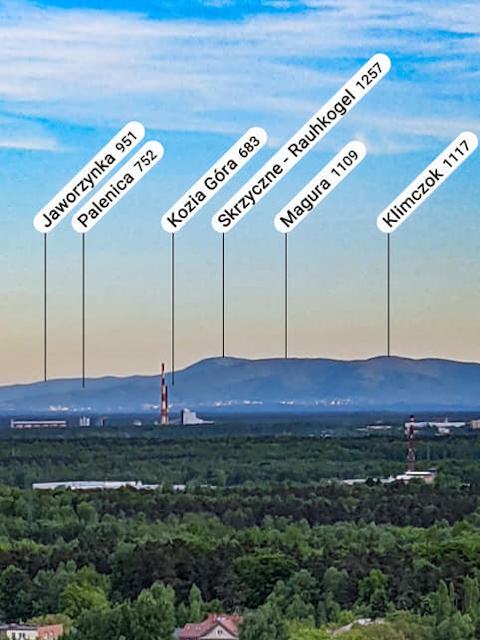
Although initially used solely as a waste disposal site, it has undergone significant changes over time. After a fire in 2016, reclamation work was carried out to reduce the risk of self-ignition and dust emissions. Additionally, vegetation was introduced on the slopes, and a viewpoint was created at the top, offering a panorama that, under favorable conditions, extends as far as the Beskidy Mountains.

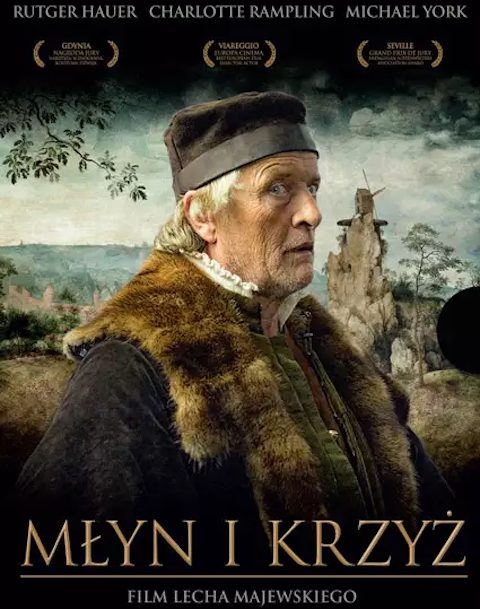
The heap has also served as a film location – it appeared in the film "The Mill and the Cross" directed by Lech Majewski, providing a raw and unique scenery.
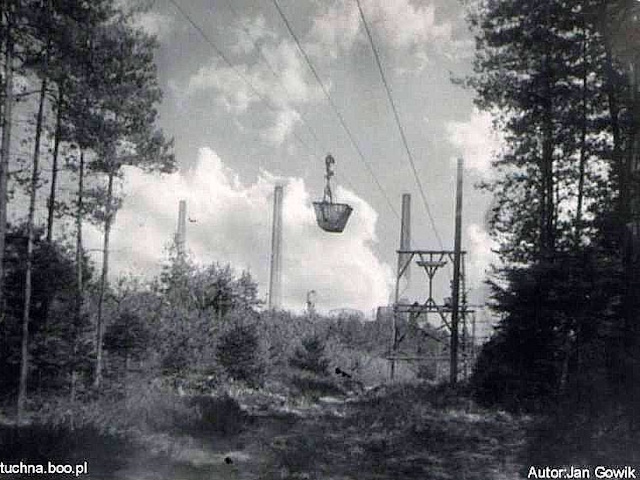
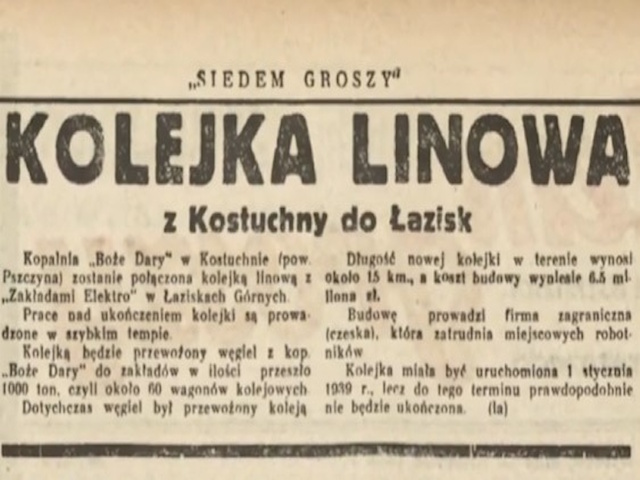
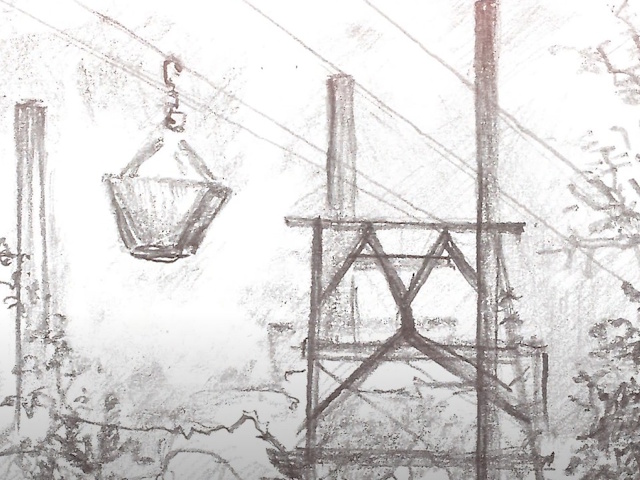
For many years, the area was also home to the Luftbana – a cableway completed in 1939, which transported coal from the Boże Dary mine to the Łaziska power plant. This was an extremely cost-effective alternative to traditional rail transport, reducing transport expenses by up to seven times. The route was 16 kilometers long and consisted of approximately 340 gondolas. After more than two decades of operation, the Luftbana was eventually closed in 1966, and remnants of it can still be found in the surrounding forests.
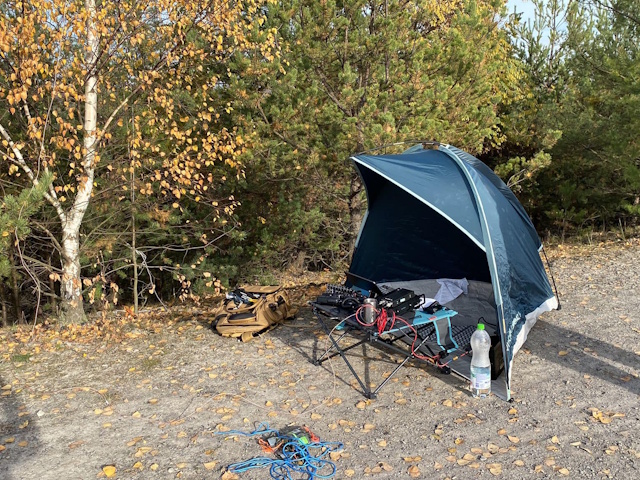
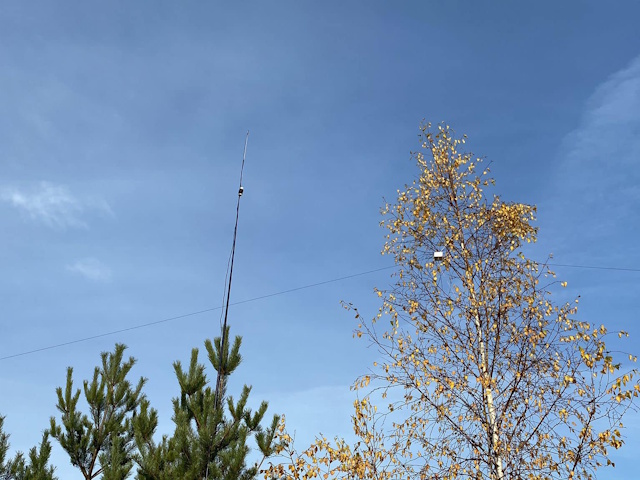
Heap Kostuchna has become a unique place not only because of its history but also due to its radio activity. It was here last year that a record number of QSOs was achieved, with operators making over 200 contacts on the 40m, 20m, and 2m bands. This was the most successful ham radio activation in the diploma action under the callsign HF24HOTA.