Heaps in the Hałda On The Air Diploma Event
H-02 Hałda Murcki (309 m ASL)
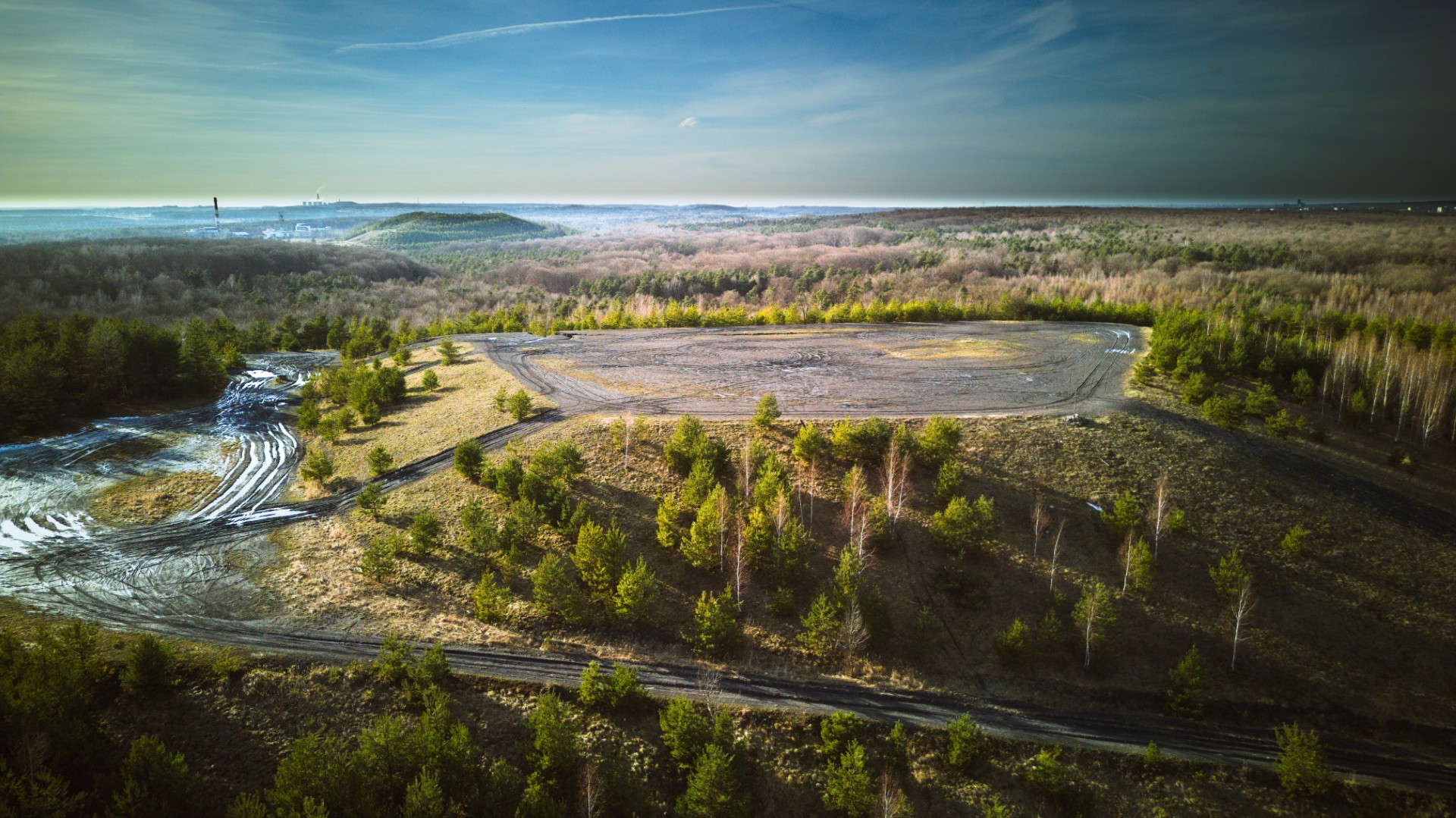
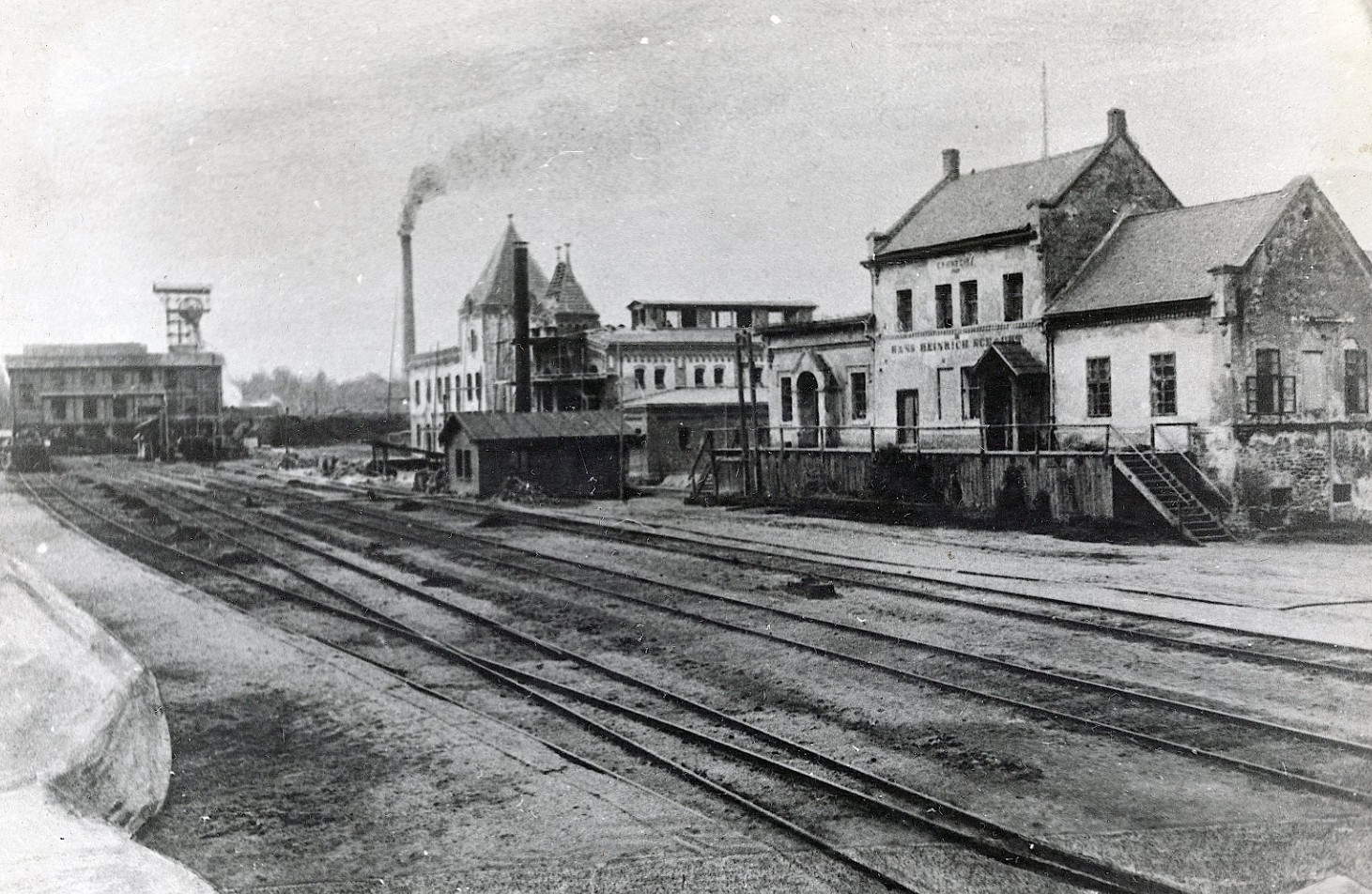
Hałda Murckowska is one of the most distinctive elevations in Katowice, located in the Murcki district. It was formed as a result of many years of mining activity associated with Murcki Coal Mine, whose history dates back to 1769. Over the centuries, the mine developed, undergoing numerous ownership and technological changes. The extracted coal required sorting, and the unwanted waste material was systematically deposited, gradually creating an impressive spoil heap that reached a height of 330 meters above sea level.
Today, surrounded by the vast Murckowski Forests, the spoil heap serves as an excellent viewpoint. On clear days, it offers views of the Beskidy Mountains and even the distant Tatra Mountains, located approximately 140 km away. The panorama extends over numerous cities, including Tychy, Lędziny, Bielsko-Biała, and Oświęcim, as well as parts of the Małopolskie and Opolskie regions. Under favorable conditions, one can also see Jura Krakowsko-Częstochowska, Góra Świętej Anny, and even Pradziad in the Eastern Sudetes. The northern view is partially obstructed by Wanda Hill, the highest natural elevation in Katowice.
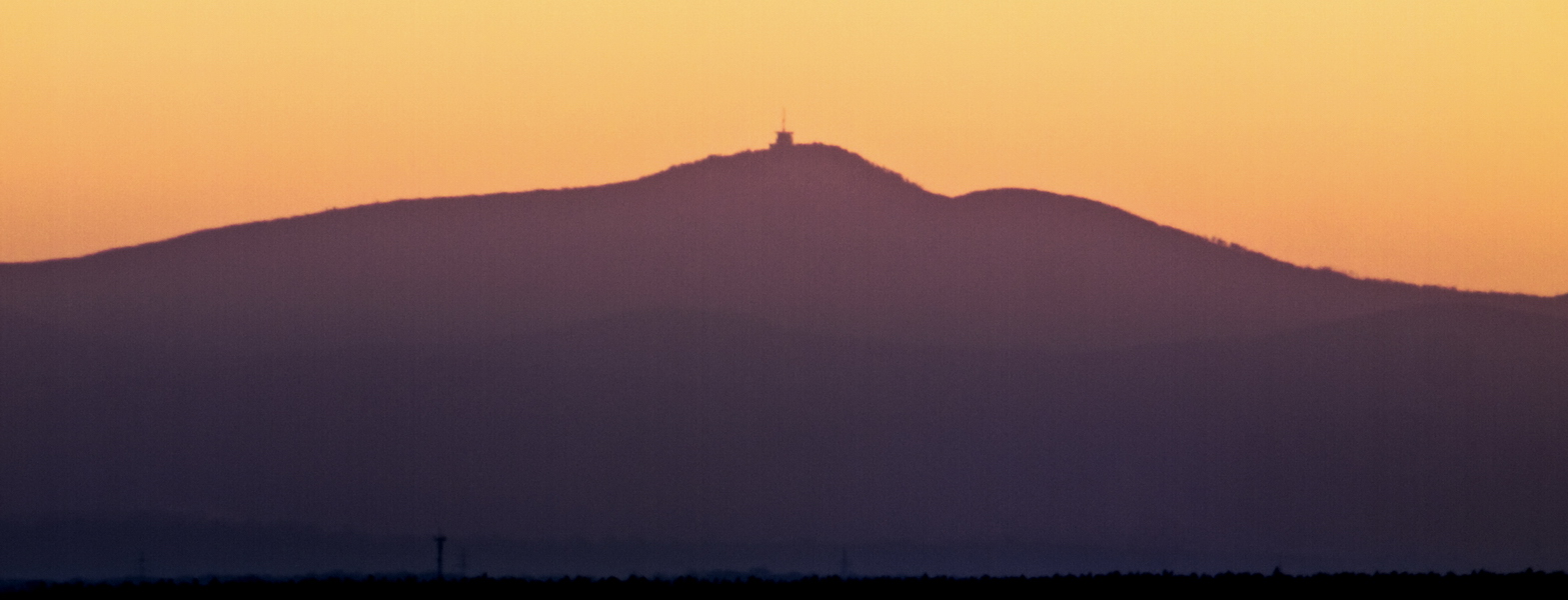
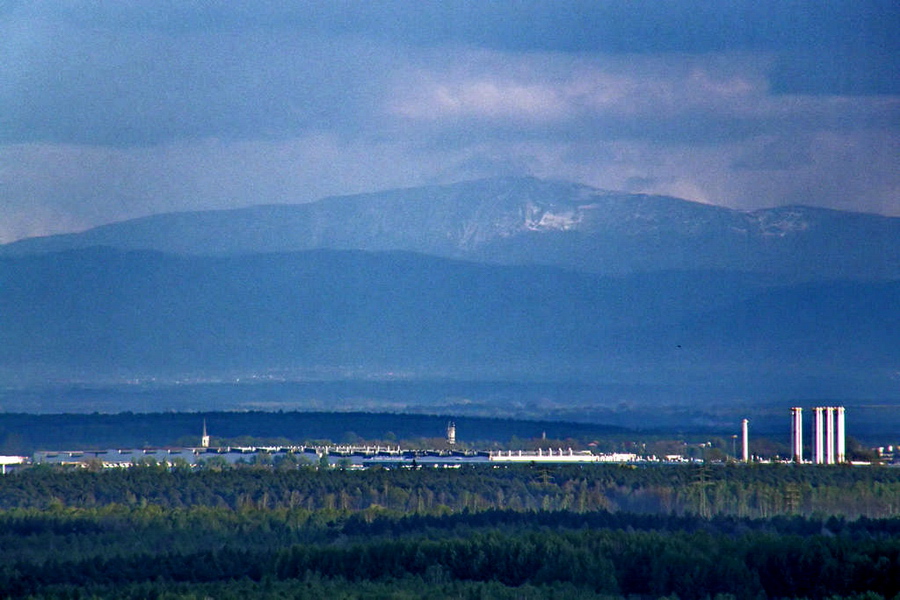
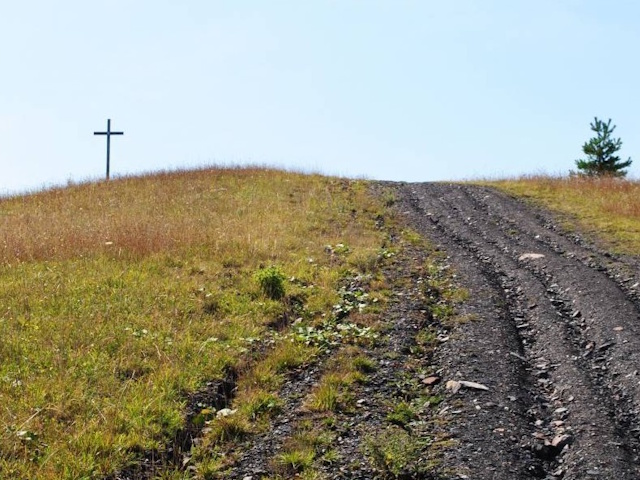
In 2010, a wooden cross was placed at the top of the spoil heap to commemorate the Way of the Cross through the city streets. It is a recognizable landmark visible from many locations in the area.
While exploring the surroundings of the spoil heap, one can find remnants of former mining operations, including infrastructure related to KWK Murcki. In the past, this area housed several mining shafts, some of which have since been dismantled, but traces of past structures remain visible. Hałda Murckowska and the nearby Hałda Kostuchna are popular destinations for hiking and cycling. The trail leading through the Murckowski Forests between these two spoil heaps is particularly picturesque, especially in autumn, when the trees turn golden and orange.
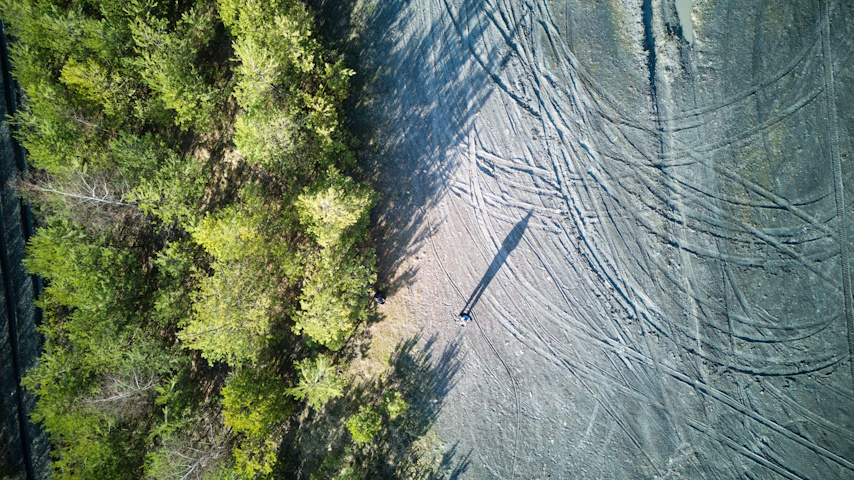
The formation of the spoil heap is closely tied to the development of mining in this part of Upper Silesia. Murcki Coal Mine, established in the late 18th century, was for many years one of the oldest operating coal mines in Europe. In the 19th century, it became part of the rapidly growing mining industry, and in the 20th century, it underwent numerous modernizations. The merger with the Staszic Mine led to the creation of KWK Staszic-Wujek, whose operations further contributed to the expansion of the spoil heap.